Friday, February 4, 2011

Geckers

Geckie loves her (very fancy) humid-hide. It's filled with moist sphagnum moss and helps her shed her skin.


Plus I think she just likes the getaway. She's still not eating much though.

Click the pictures for larger leopard gecko-ness.

-----

Did you see the Friday Ark?

Wednesday, February 2, 2011

The La Sportiva Batura 2.0


To my amazement themost often read blog entry on Cold Thistle is the Phantom Guide/Batura boot comparison. The page reads on that one post more than doublethe next most popular blog. The comparison was first posted in April of . Almost two full years later and the same blog entry still gets the highest number of reads month after month.


http://coldthistle.blogspot.com//04/scarpa-phantom-guide-vs-la-sportiva.html


First generation Batura on M6


While I have always had great hopes for the "super gaiter" style single boots I had no idea just how popular they obviously have become. I still think the technology could be bettered with a light weight and low profiledouble boot.The boot manufactures and the buying public seem to disagree with my theory.


Ok, so call me cynical.


I wasn't impressed with the Batura 2.0's name. I mean how different could the "2.0"be fromthe previous 2 or 3 variations or generations of the Batura? Or for that matter from the Phantom Guide or one of my favorites the Phantom Ultra?


I understand keeping the name " Batura" attached to this model.The "2.0" was kinda a joke to me on first impression. How different could the boot really be? In this case a lot different. It isn't the same boot really, or even a variation of the old Batura, if you look closely. If you are like me, I first coughedand muttered BS under my breath when I first heard the rumors of "a much better boot". But I have changed my opinion on that, it is in fact a much better boot..


That was easy to figure out oncethe newest 2.0 showed up on FED EX.


Just pulling the boots from the box was a wakeup call.


For any one who has climbed in a double boot...any double boot and also climbed in a super light Fruit boot you have to wonder why the two technologies haven't merged over the last decadewith better effect.


My idea of a mountain boot these days is the weight and technical ability of a fruit boot like the incredible Boreal Ice Mutant. More realistically a Scarpa Ultra with some additional warmth and lighter yetin weight?The support on ice and warmth of a Spantik or Baruntse would be a bonus. And the over all profile of the Trango series. The Scarpa 6000 comes pretty close to that idea but lacks the support on endurance ice in comparison to the La Sportiva models. And its volume is getting up there in comparison to the Ultra for instance. After all it generally takes more volume in a boot to offer more warmth, right?


But if I make that call on the Phantom 6000then the Batura comes up lacking on endurance ice as well. A real fruit boot on similar terrain? Pity the fool! But a really light weight boot given the right support is such a pleasure to move in on most terrain.


Like the choices made in steel for ice tools, every decisionyou make in design and materials limits the over all use of any product. So you first define the product.


Obviously the Batura is no fruit boot but neither is it a doubleboot.


La Sportiva NA president, Jonathon Lantz calls is a true "1.5 boot". Half way between the bestsingle boot and the bestdouble boot for warmth.


The Baturahas just been defined for warmth.


For difficult technical cold weather ice, mixed and alpine climbing we all know you need a few things incorporated in the design. Low profile and small volume over all. Think fruit boot here to be take every advantage of the terrain. The flip side for technical ground is an awkward and big in volume,ski boot. Which I assume we all want to avoid. Make the sole rigid but no so rigid you can't walk in them. Make that midsole durable so the boots never change in flex. It is a climbing boot so you want a flexible ankle with enough support for endurance ice when required but enough flexibility for hard technical ground with and without crampons.


It is quite a wish list when you write it all down.


If this were easy we wouldn't have dozens of pairs of boots from many different manufactures trying to attain the same goal with varying levels of success.


The Batura has been successful as a "1.5". Nothing new here as the basic designhas gotten better every year since 2007 from my personal perspective. There is so much potential yet in this boot style. The same basic technology can be easily traced back to theearly1970s and Peter Carmen's Super Gator. And it has worked well in the fieldever since. I am thrilledLa Sportiva and now Gore has continue to evolve thisstyle of boot.


So what exactly is different from the Batura Evo?

Tocontinue theevolution of the Batura, a second Gore-Tex membrane was added . Now boththe outer gaiter and in the inner boot have a Gore-tex layer for more complete protection.


The plastic zipper has also been scrapped in favour of a simple zipper with a Velcro hook and loopclosure on the gaiter. I only which they had added another inch or two to the gaiter.


Otherwise, construction appears to be the same as last year’s model, and the boot continues to be built on a Nepal last (i.e. if Nepal EVOs fit you, these should have the same fit). The 2.0s feel seriously light. I mean three-season alpine boot light!


Actual weight on my scale?


1130g one 43 Batura Evo

890g one 43 Batura 2.0


Best thing I can do is make a side by side comparison, Batura Evo to Batura 2.0.


Height of gaiter - same


materials used- lighter in weight for the 2.0


dbl layer Goretex - new to the 2.0


lower profile boot/toe - new to the 2.0


Left to right, new 2.0, last year's Evo and a Ultra


Below, carbon mid sole - new to the 2.0 on the right....earlier Evo version on the left. Thinner for better feel but also warmer.


Above, the additional sole rocker and carbon fiber midsoleof the2.0 is shown on the right.

On the left is the previous generation Batura EVO.


foot closer to the rock/ice - by design in the 2.0


zipper and Velcro closer on gaiter - new to the 2.0


rocker

lace lock

ankle padding and stiffness

tongue bellows

fit and lacing

lighter in weight


Below, 30mm toe rocker on the Ultra, 38mm toe rocker Batura 2. Making the Batura 2 easier to walk in. Much like the rocker profile on theSpanik.


Note the differences in sole thickness with La Sportiva on the left and Scarpa on the right, where you attach the front cramponbail. The Batura sole profile is a much easierfit to any current crampons


The first thing I noticed is the boot's weight. That you notice right out of the box. In a size 43 the 2.0 is a full 240g lighter per boot than the previous Batura Evo.


240 grams = 8.5 ounces per boot


That is a savings of 17oz per pair in a size 43 over the current boot.. You'll save more weight as the boots get bigger. Lack of the boot's tongue and the new carbon fiber mid sole will show there.


Interesting that they new Baturas are so light. A good bit of the weight savings was done by using a super thin, honey comb, carbon fiber mid sole. Carbon is being used in the Olympus Mons, the Spantik and the Mega ice, oh and the Stratos AT boot. My take is the Batura has been bumped into a totally difference class of boot by La Sportva simply because of the manufacturing techniques and costs associated with the new Batura 2.0 design and manufacturing effort.

The new mid sole is now lighter, warmer because of the added air spaces in the honey comb and more consistent in flex. Jonathon Lantz says, "this mid sole is slightly softer in flex but will never get softer, as the previous 9mm Ibi-Thermo mid sole material didin use". You couldn't tell that by my samples. The sole is rigid on these!


The thickness of the insulation has changed. For the moment at least Mr. Lantz wasn't offering anything very specific on the insulation. "Lighter and warmer" was the definition :)


No surprise I like a rigid soled boots and a stiff cuff. Generally I like my boots more rigid than most fabric ankle boots are capable of. Good news here. You have to look close to feel it but the actual boot that supports your foot is now made of a slightly stiffer Cordura fabric. Point is the added stiffness in the ankle was intentional and a good addition imo. Make no mistake though, it isn't a fabric version of the Nepal Evo by any means. And I would still be hard pressed to say the 2.0 is any stiffer than a pair of Trango Extreme Evos. Plenty of support but not so much as it limits your technical climbing ability. The Batura 2.0 still incorporates, "The 3D Flex™ ankle hinge allows side to side movement for better footwork while still providing longitudinal lockout when front pointing."


It doesn't appear the stiffer Cordura material will change the fit. But the super streamlined new bellows tongue design, new insulation material and two layers of Goretx will. That is complete coverage by one 3 layer Gortex on the exterior gaiter and another complete sock liner of 2 layer Goretx on the inside. of the boot.


"To stay warm you must stay dry."


If you have followed the previous blog posts on winter clothing you already know staying dry is the key to staying warm in a cold climate. One of the distractions for me in the olderBaturas is theyheld moisture. You had to be very careful on how you manages the sweat from your feet and if out over night how you kept you boot dry internally long term. I have used both Seal Skinzsocks and Mitchums antiperspirant to lower the moisture coming from my feet in an effort to keep the insulation in the Baturas working at its best.


Boot soles? Lighter weight? One word, traction.

The Vibram Mulaz sole climbs better on technical rock. But the LaSportiva / Vibram claim the Impact Brake System sole is better for long approaches and big days in the mountains.


I'd rather see an additional drop in weight and the Vibram Mulaz sole used on the new 2.0.


Each boot takes 34 days to put together, most of that glue-drying time, and they continue to be handmade in Italy which makes me feel a bit better about the suggested $650 price tag.


We seldom get a view behind the curtain when it comes toresearch and developmentfrom any European manufacture. (Or the U.S. for that matter) But in this case I did get a glimpse of the testing that La Sportiva and surprisingly Gore in Italy did on the newest Batura.


Last year to develop the new technology for the 2.0 version, Gore Italyand La Sportiva did some innovative testing that I have never heard of being done for a mountain boot prototype. Overseveral weeks in the Slovenian Alps, Gore scientists and La Sportiva boot makers collectedthe data from heat and moisture sensors and the personalfeedback from40 pairs of tester's boots and the testers themselves. That datawas down loaded twice a day for weeks.I am impressed!


So when you ask yourself why La Sportiva uses a Gore product in their boots it should be obvious. Both Gore and La Sportiva have developed a mutual trust and both are willing to go to the extra effort to push the technologies availablefor our benefit.


These are comments from others already using the Batura 2.0:


"the new version with GoreTex Gaiter and GoreTex boot"


"They give a snug fit while letting the toes enough spare place to move which I really like for avoiding

cold feet and kicking hard ice."


"Although if wet, for example if you sweat in them too much while

an approach in warm temperatures they are still hard to dry."


"In general I think the made a good trade of concerning the insulation.

The are thin enough, so that you can wear them in the alps in the summer

time without excessively sweating in them, further more they are warm

enough for ice climbing on cold winter days. But I have to admit that it

can get a bit chilly in them on really cold belay days.


I've had cold feet in them while ice climbing on a day with -17°C."


"The Baturas have indeed changed a lot, the ankle is a lotmore forgiving than the old version and I think I could live with them I thatrespect. The last however has changed unless I’m mistaken. They used to feellike a (slightly) roomier Nepal Evo. Now they feel like a Trango. I get aslight toe crush as I do with my Trango Evo which is not good for a warm boot.The heel has also gone the way of the Trangos, I now get considerable liftwhich I never got before. I would also add that we're stiffer

than pretty much any other fabric boot I've seen."


■A six layer fully synthetic boot specifically designed for winter mountaineering.

■Board lasted construction.

■Upper:

- Exceptionally resilient nylon.

- Insulated anti-dragging felt.

- Insulated polyethylene (PE).

- Insulating aluminum layer.

■Gaiter:

- Elastic Cordura® provides waterproof protection, while allowing ventilation for a comfortable environment.

- Schoeller® - Dynamic™ with water repellent membrane.

- Vibram® rubber rand.

- Elastic nylon with impermeable insulating layer.

- Asymmetrical, waterproof zipper for easy, on the go access.

■Lining:

- Polyamide Thermic layer for extra warmth.

- Durable mesh layer extends wear and ensures moisture is transferred away from the skin.

■Insole:

Insulating Ibi-Thermo 9mm.

■Midsole:

-8-9mm TPU.

- PU Inserts.

- SBR Aircushion.

■Outsole:

- 8-9mm TPU.

- PU Inserts.


Previous Evo version with a plastic mid sole and simple gaiter zipper


The newest Batura 2.0 with carbon fiber mid sole and a Velcro closed zipper on the gaiter.


new Batura 2.0 and the new Salewa Pro Gaiter both in a Euro size42

Tuesday, February 1, 2011

Happy 15th Birthday Austin!

One of the things we had to adjust to when first going out "on the road" was the fact that we could not count on people we knew being around. It is a huge transition to never knowing exactly who will be around. For the most part, you just learn to adjust and it's not a big deal in time. Still, things like birthdays can feel kind of lonely.


This year, Austin's birthday turned out to be anything but lonely. Because we are still camping with so many other Families on the Road people, we had lots of people around. Early in the day, they decorated our RV:


How cool is that? On top of all of the friends here, our travel buddies arrived yesterday so he had family here too. We had a big surprise party for him. The Evans kept him contained inside until we were ready for him. All the kids hid with silly string in hand:


Surprise, Austin!


He had a great time!


Happy Birthday, dude! Rock on! You have made the last 15 years so interesting, so here's to many more fun years to you!


Living the life surrounded by love in Florida!

Monday, January 31, 2011

Unexpected Sightings

Yesterday was one of the warmest days of September, and we decided to give swimming a try. I've mentioned that there have beenshark sightings on the Cape over Labor Day Weekend. That was more than two weeks ago, but still we chose a beach that was not one of the beaches where the shark sightings were reported. We went to the large and popular Marconi Beach, a beautiful ride from the place we are staying. Well, it looks like we have sightings of our own to report.


Here is a lovely seal, whom we saw once again very close to the shore (different beach than last time). This time I captured him on camera. There were surfers and swimmers in the water very close to the seal, reaching out to him and cooing.


And shortly thereafter, we saw this:


Definitely not a seal.


Yes, it's what you think it is. I have many photos, albeit from a 30-ft distance. The beachgoers began shouting "Fin! It's a fin!" ...and hurrying to grab their cameras. It circled around for a while, while the local children continued to wade in the shallow water. We didn't much feel like swimming after that, but this is the first time I saw a shark this close, so it was a pretty exciting trip to the beach nonetheless.


So... If you are planning a late-season visit to Cape Cod this fall, it is probably not a good idea to swim at any of the beaches along the National Seashore. Just a heads up...

Sunday, January 30, 2011

Drop Bar Hand Positions: an Introduction

Braking from the Drops
Riding a roadbike does not come naturally to everyone, and one particular source of frustration is the drop handlebars. I was frustrated by them too when I first started, and so I hope this illustrated introduction might be of some help. To preface, a couple of things to keep in mind: First, drop bars vary in shape. This post assumes that your bike is fitted with theflat ramp style of bars prevalent today - either the compact type found on most stock road/racing bikes, or the more classic style popular with the twine and shellack crowd (i.e. the Nitto Noodle, Grand Bois Maes, Velo Orange Course). I am also assuming that you are using contemporary"aero" style brake levers, with the brake cables hidden.Note that if you are dealing with a 1970s-80s roadbike (i.e. something like this), the shape of the original handlebars and brake levers will make some of the positions described here impossible. Not everyone agrees on which hand positions are best to use at which times, or even on what the positions are called. This write-up reflects my non-expert personal experiences, informed by local mentours.


Whether you are racing, touring or going on a leisurely ride, what makes drop handlebars special is the variety of hand positions they offer. I consider there to be 5 distinct positions available: The hoods, the hooks, the drops, the tops, and the ramps. Read on for a description of each.


Drop Bars: Hoods, Front View

1. The Hoods

The "hoods" position refers to keeping your hands on top of the rubbery brake hoods, wrapped around them firmly. I think it is fair to say that today this is widely considered to be the standard, neutral position for riding with drop bars.When done correctly, it is extremely ergonomic, distributes the cyclist's weight nicely, and affords optimal leverage for cycling at different speeds. It is also a position from which the brake levers are easily accessible. Some cyclists report that the hoods make them lean forward too much. If this is the case, consider changing your handlebar setup - perhaps raising the bars, getting a shorter stem, or getting compact handlebars (with less distance between stem and hoods). On a properly fitted bike the hoods should feel easy and natural to reach.


Drop Bars: Hoods, Side View
There is a number of ways to hold your hands on the hoods, and this is how I usually do it. The main thing is to actually grip them and not just rest you hands upon them.


Drop Bars: Hoods, Braking

There are also different ways to brake from the hoods, and this is how I prefer to do it. Squeezing the brake lever with only two fingers while leaving the rest wrapped around the bars/hoods themselves ensures that my hands won't fly off the handlebars if I go over a bump.


For those accustomed to upright handlebars, the hoods position on a drop bar bike can feel awkward and disconcerting at first and can require some practice to use comfortably. It took me a couple of weeks before I really "got" the hoods, but once I did it's been true love. It's the position I use the most no matter what kind of riding I do. And if you are planning to take part in formal paceline training rides, chances are they will expect you to use the hoods as the standard position - and may even insist that you do so.


Drop Bars: Hooks, Side View

2. The Hooks

While often the position shown here is referred to as the "drops," there are actually two distinct drops positions. To differentiate between them, this one is more specifically known as "the hooks." It involves holding on to the parts of the bars that curve outward, with the cyclist's hands directly behind the brake levers. It is a more aggressive and aerodynamic position that the hoods, which makes it especially useful when cycling downhill and attempting to fight wind/air resistance.


Drop Bars: Hooks, Braking

The brake levers should be easily reachable from the hooks position. Braking in this manner is more powerful than from the hoods, because it affords greater leverage. It is important to be aware of this, so as not to accidentally slam the brakes when riding at high speeds.


Drop Bars: Drops, Side View
3. The Drops


To differentiate from the hooks, this is what I will call the "true drops" position. To what extent the two positions are distinct really depends on the style of handlebars used. On some types of contemporary drop bars, the curvature here is so dramatic that the positions are very different - the true drops being parallel to the ground and the hooks perpendicular. On other drop bars the curve is less defined and it's hard to tell where the hooks end and the drops begin. Either way, the crucial distinction for me is that you can reach the brakes from the hooks, but not from this lower section of the drops.


Both the hooks and the lower drops positions are quite aggressive, and for beginners the crouching posture they put you in can feel scary. While at this stage I am more or less fine riding in these positions, even now I am still not as confident as I could be. Riding downhill in close proximity to others, I sometimes chicken out and stay on the hoods, simply bending my elbows a whole lot to get myself low enough over the bars. In a pinch, that tactic will do - but mastering the hooks and drops is ultimately worth it and I continue to work on it.


Drop Bars: Tops, Side View


4. The Tops

And now, the dreaded tops of the bars... My personal opinion is that the "tops" are bad news for beginners and are to be avoided until after you pick up some road cycling skills. Let me explain: Beginners who cannot use drop bars properly tend to hold their hands on the tops, because this reminds them of mountain bike handlebars and allows them to stay more upright than any of the other positions do. It feels safer. However, this is deeply problematic. First, you cannot reach the brakes from the tops. And if you are too scared to use the other positions, will you really be able to brake quickly and effectively when the situation calls for it? Probably not. Furthermore, drop bars are narrower than mountain bike handlebars, and holding the tops places the rider's hands too close to the stem - not the best position for controlling the bike. Nearly every time I see a beginner on a roadbike lose control of their bicycle, they are holding the tops.


Drop Bars: Tops, Front View

That said, the tops do have their function. Some find this position helpful for climbing, as it opens up the chest and facilitates deep breathing. Also, when doing a long ride it's great to simply have it as yet another position for your restless hands. Personally, I almost never use the tops even in these circumstances, because my hands are uncomfortable. But not everyone has this issue.


Drop Bars: Ramps, Side View

5. The Ramps

Finally, there is the rather difficult-to-photograph position called the "ramps," and I have also heard it referred to as the "shoulders." Located between the hoods and the tops, it involves holding the corners of the top portion of the handlebars. In this position the rider is more upright than on the hoods, while maintaining more control of the bike and a more ergonomic wrist position than they would on the tops. I hold my hands in this manner mostly on long rides, for short stretches at a time, when I want to do something different or be more upright for a bit.


All these new positions can certainly be overwhelming. As far as a starting point, I suggest learning to use the hoods well first, then transitioning to learning the hooks/drops. If the pictures here are not enough to help you understand the positions and the braking, ask an experienced cyclist to show you in person and imitate them. I did this some time ago, and it was more helpful than any online tutorial I could have read.And for those riding vintage bikes with handlebars like these and having trouble using them, consider updating the bar setup. You cannot use the hoods with that style of handlebars and levers, and I wish someone told me that when I first struggled with vintage roadbikes 3 years ago.


While drop handlebars are easy and intuitive for some, for others it takes practice to get comfortable with the different positions. My suggestion is to not be intimidated and just keep practicing. If you ask me, it's worth it.

Sunday, January 23, 2011

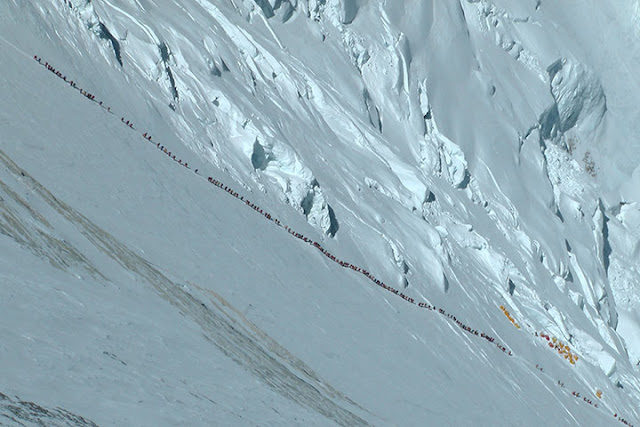
Pornography?

You know when you see it....


http://www.guardian.co.uk/world//may/30/everest-mountaineer-crowding-hobby-tragedy

Come Dance With Me...

Welcome to the February 4th edition of the Carnival of Genealogy! Our topic this time around is "The Happy Dance. The Joy of Genealogy." Perhaps stating the obvious, but, genealogy can become a passion even before you experience that first "happy dance" but once you've actually felt the excitement and joy of that first dance, be it a rousing rumba or a restrained, elegant waltz, you're addicted.

For those of us living in the Northern hemisphere, Ole Mister Groundhog has declared that there will be six more weeks of winter ahead of us, so what better activity is there than to grab a cup of hot chocolate (or some other warming beverage) and spend some time enjoying the moments of joy shared by our 50 contributors? For those in warmer climates, pour yourself a cool drink and enjoy!

To all of the new participants, on behalf of Jasia, I say welcome to the Carnival, and to everyone, thank you for sharing your happy dance moments with us!

Starting us off is Dorene Paul, who presents Charles Cross, First Catholic Mayor of Sandusky posted at Graveyard Rabbit of Sandusky Bay. Dorene says "My heart skipped a beat when I ran across the article 'An English Colony' in the December 3, 1889 Sandusky Daily Register. The author of the article, Mr. Hudson C. Ward, tells how my great-great-great-great grandfather, Charles Cross, came to the United States from England aboard the packet ship the "Hudson" in July of 1830. Mr. Ward was named after the ship."

Terri at The Ties That Bind presents Longing to know you......... which is the first of three parts. The story continues with Longing to know you continued.... and Longing to know you - part 3. Terri says, "Please read all parts for the full story."

Cathy Palm presents Happy Dance Moment or Finding Laura Backus posted at Detour Through History saying "The Rootsweb message that broke down a brick wall. Reliving the moment..."

Donna Hague Wendt presents Hague Happy Dance posted at Another Day With Donna ..... Genealogy - Family History Blog. Donna says "When a family surname can be spelled in a variety of ways, it is a wonderful and "happy dance" moment to stumble on the one way it was spelled in a census to finally find the elusive family. This happened for the 1850 US Census with my elusive Hague ancestors in Rhode Island, under "Ache." To happily continue dancing, a cousin showed me a drawing of the original Hague homestead in Iowa as it looked in 1905."

Sharon Klein presents The Genealogy Shuffle posted at Genealogy. She says "Over the past 10 years or so since I first started my research, I'm had several occasions to kick up my feet!"

Valerie C. presents The First Happy Dance posted at Begin with 'Craft'. Valerie got started in genealogy during a college geography project. She and her mother didn't know much about the family and knew even less about genealogy!

Margaret Ann presents Carnival- Genealogy Happy Dance posted at GeneaDiva's History, Genealogy and "Stuff". Margaret Ann "remembers the many happy dances as a novice at shaking the family tree. She recalls the trips with her Dad and Grandparents seeking information which also led to the next happy dance."

GeneaDiva presents Carnival - Genealogy Happy Dance posted at GeneaDiva's History, Genealogy and Stuff saying, "Although, I've had many genealogy happy dances over the past 27 years some of my most memorable and favorite dances occurred at the beginning of my genealogy adventure."

Sheri Fenley presents The Problem With Pauline - Part 9 - Some Fun With Dr. George B. Sanford posted at The Educated Genealogist. Sheri says "The mailman and I do not quite see eye to eye."

Donna M Moughty presents More Genealogy Puzzles from Ireland posted at Donna's Genealogy Blog. "Solving the problem of which Michael Daly was mine was a genealogy puzzle I wasn't sure I would ever solve. A lecture at a conference on searching common surnames along with a study of all Daly's in a specific location led to the Happy Dance and an early morning phone call from Salt Lake City to Connecticut to tell my mother-in-law how all those cousins were related."

Evelyn Yvonne Theriault presents Tripping the light fantastic posted at A Canadian Family and is "Tripping the light fantastic” – remembering Montreal during the ‘50s swing era”

Jessica Oswalt presents Doing the Happy Dance: Finding Answers posted at Jessica's Genejournal stating it is "A brief mention of a few successes I have had in my five plus years of researching my family."

Lisa presents Growing the family tree: In both directions posted at Small-leaved Shamrock. She says "I started to tell the story of a "happy dance" I did quietly with a sleeping angel on my lap, and went on to share how genealogy fits into the life of my family. I hope you enjoy this look at doing genealogy with children along: the only way I can imagine it."

Brian Zalewski presents Carnival of Genealogy: Happy Dance posted at Zalewski Family Genealogy. Brian claims to have had "a few" happy dance moments and says "If my thought process works, you probably get more of them as you first start your genealogy research. But, they get much more exciting as your research goes on."

Janet Iles presents The Genealogy Happy Dance - New discoveries posted at Janet the researcher. She says "I might not get up and dance but you will hear restrained words of excitement."

Apple presents Dancing Fool posted at Apple's Tree. Apple admits "It doesn't take much to get me to do the Happy Dance. Give me a new little scrap of information and I'm on my feet!"

Greta Koehl presents The Happy Dance: Getting Hooked on Genealogy, Part 3 posted at Greta's Genealogy Bog. She says "Finally doing the Happy Dance was the last stage in getting me totally addicted to genealogy. What did it take to get me to do the Happy Dance? It was finding an ancestor who had touched me through the fact that no one even knew his first name any more."

Geniaus presents The Happy Dance. The Joy of Genealogy posted at Geniaus. From the land down under, Geniaus declares "Until I completed the 99+ things genealogy meme I didn't know that I had been dancing for years."

Tex presents The Happy Dance: Finding Females posted at All My Ancestors. Serendipity (chance, fate, luck, coincidence, etc.) enables Tex to find several long sought female ancestors.

Cherie presents My Genealogy Happy Dance! posted at Still Digging for Roots. Cherie gives us "Three 'Happy Dance' moments!"

Jasia presents The First Find posted at Creative Gene. Jasia says "My 'first find' resulted in my first happy dance. Like a first kiss, or the first flowers received from a lover, my first happy dance was the sweetest. Here are my memories of that very first dance..."

A. Spence presents Family Profile: William Lowry/Lowery/Laury/Lowrey posted at Spence-Lowry Family History saying "My first happy dance was when I could connect a family story about my 2nd great grandfather and a possible sibling of his."

Donna Pointkouski presents The Joy of Genealogy posted at What's Past is Prologue. Donna admits that she has "done many genealogical happy dances over the years - here are a few of my favorites (plus a photo of my favorite happy dancing Gene)."

Melody Lassalle presents My Very First Genealogy Happy Dance posted at The Research Journal. She says "This post is about my first research experience and the moment I knew I was addicted."

Hilary Gadsby presents Best Genealogy Find posted at Genemeet. Hilary says "Over the years I have been researching my family tree like most people I have made several great finds and every time you find that elusive piece of information you get that urge to shout out Yes!!"

Amanda Erickson presents The Happy Dance posted at Random Ramblings saying "My search for information about my dad's (Stiver) side of the family and how I hit the jackpot. "

Colleen Johnson presents The Happy Dance of Genealogy posted at CMJ Office. Colleen says "A little jig, a happy dance, a possible party and some heartburn. Pass the genealogy tums. "

Wendy Littrell presents Oh Yeah! Oh Yeah! posted at All My Branches Genealogy. She says "It doesn't take much for me to stand up and shout for joy when I find something that I think will lead me to more information! It could be a Census entry, a letter, or an email from a distant cousin that has me saying "Oh Yeah!"

Julie Cahill Tarr presents Get Up & Dance posted at GenBlog. Julie takes us on a tour of previously posted genealogy joys.

Craig Manson presents Happy Dance Days Are Here Again! posted at GeneaBlogie saying "In which I do the Happy Dance having found things I thought were lost to time!"

Randy Seaver presents Genealogy Happy Dances and/or Genea-gasms! posted at Genea-Musings. Saying "Randy didn't follow the rules and pick one genea-gasm, he picked four. Read about his England trip, his Norway trip, his treasures in the closet, and treasures from his Aunt Geraldine."

John Newmark presents The Happy Dance posted at TransylvanianDutch. John says, "I can think of three times in my research where my excitement reached a point which may be compared to a "happy dance"..."

Stephen J. Danko presents Doing the DNA Happy Dance! posted at Steve's Genealogy Blog. Steve has discovered two previously unknown distant cousins who match his DNA sequence.

Bill West presents West in New England: DOING THE GENEALOGY HAPPY DANCE posted at West in New England. Bill says "I've had some great Happy Dance moments, but if I ever break down the John Cutter West brickwall, there's going be one HUMUNGOUS Happy Dance!"

Elyse Doerflinger presents Carnival Of Genealogy - 65th Edition: My Happy Dance posted at Elyse's Genealogy Blog saying "This story describes my latest Happy Dance, which occurred only last Thursday after finding a new Keppler cousin."

Elizabeth Powell Crowe presents Success Story posted at Crowe's Nest by Elizabeth Powell Crowe. Elizabeth links to an article about "Two guys in Indiana who giggle their way up the family tree."

Terry Snyder presents Looking for Catherine posted at Desktop Genealogist Unplugged saying "A knowledgeable friend, a court case and a $50 debt, led to Terry Snyder’s happy dance that she details in her post, “Looking for Catherine."

Rachel Murphy presents Finding that Missing Ancestor through the House and Field Books posted at Irish Family History saying "Rachel explains how she found her great-great-great grandfather through the house and field books..."

Jennifer Trahan presents Genealogy Happy Dance: Findng the parents of John Pemberton posted at Jennifer's Genealogy Blog. Jennifer says this post is about "The long but fulfilling search for my 4th-great-grandparents."

Amanda presents The Happy Dance! The Joy of Genealogy posted at A Tale of Two Ancestors. She says "An interview interruption led to a record every genealogist hopes for."

Dru Pair presents The Genealogy Happy Dance posted at Find Your Folks. Dru writes about "doing the Genealogy Happy Dance after receiving a photo of a great-grandmother and also finding a written statement in a birth certificate book from her ancestor."

Andrea Christman presents The Happy Dance! Going Back One More Generation. posted at Family Tales. She says "My happy dance was when I was able to get my husband's line back to specific towns in Germany."

Charles Hansen presents Happy Dance posted at Eastern Washington Genealogical Society Blog. Charles does the research for EWGS and has had many “Happy Dances” for others he has helped over the years, but then he got a phone call from a gentleman in Springfield, Missouri…"

foonoteMaven presents You Really Do Know Her! posted at footnoteMaven. fM says this is "Not a 'Happy Dance' in the classic sense, but I've have never been more excited about genealogy than I was at this moment."

Kathy Brady-Blake presents The Genealogy Happy Dance posted at Kathy's Genealogy Blog. Kathy says "My happy dances happen when I reconnect with long lost cousins."

Barbara Holz Sullivan presents Serendipity posted at Chapter & Wurst saying "Serendipity: unexpected discoveries and a mother and daughter's questioning minds lead to new distant cousins and the genealogists' happy dance."

M. Diane Rogers presents My 1916 Happy Dance - The Joy of Genealogy - Carnival of Genealogy Edition 65 posted at CanadaGenealogy, or, 'Jane's Your Aunt' saying "M. Diane Rogers practices her Happy Genealogist tap dancing only at home with the shades drawn, but once in a while she does find herself forgetting the 'Silence' code in a library or archives."

Thomas MacEntee presents It's Just A Jump To The Left . . . at Destination: Austin Family. Take A Step To The Right, Put Your Hands On Your Hips, Bring Your Knees In Tight… and… go see what it's all about.

Pam Taylor presents Happy Dance and the Joy of Genealogy posted at Taylorstales-Genealogy. What exactly was it that caused Pam to dance, shout, scream for joy, and act like a complete fool in front of her children?

And, rounding out this edition of the Carnival is my contribution, Happy Dance Moments :: Making Connections, which highlights just a few of the times I've made kinexxions with distant relatives and the results of those incredible experiences.

And now, it's time for a Call For Submissions! The topic for the next edition of the Carnival of Genealogy, to be hosted by Jasia at Creative Gene, will be: iGene Awards, The Best of The Best! It's Academy awards time... time for the Academy of Genealogy and Family History, aka AGFH, to honor their best blog posts of ..* in the following 5 categories:
  • Best Picture - Best old family photo that appeared on your blog in ... Tell us which you liked best and why.

  • Best Screen Play - Which family story that you shared in .. would make the best movie? Who would you cast as your family members?

  • Best Documentary - Which was the best informational article you wrote about a place, thing, or event involving your family's history in ..?

  • Best Biography - Which was the best biographical article you wrote in ..?

  • Best Comedy - Which was the best funny story, poem, joke, photo, or video that you shared on your blog in ..?
Please feel free to use this graphic on your post.

Start digging back into your archives and choose which of your blog posts deserve to be recognized for outstanding achievement. This is not a competition between bloggers but a chance for you to spotlight your own shining efforts at recording your genealogy and family history in ..*.

There is no nomination process. You just need to announce your winning blog posts for the 5 categories mentioned above in an article on your blog and submit it to the Carnival of Genealogy. Please act as your own "award presenter" by writing an introduction and include it in the "Remarks" box on the BlogCarnival submission form.

The deadline for submissions is February 15, ...

*We're going to define ".." to include any posts written in .. as well as those written Jan. 1-Feb. 15, .. as well (so that new bloggers can participate).